 Properties with 360° video tour
 Български
 Deutsch
  Polski
  Русский

Varna and Burgas attract more new residents despite moderate activity in the real estate market
22.06.2026
Capital.bg
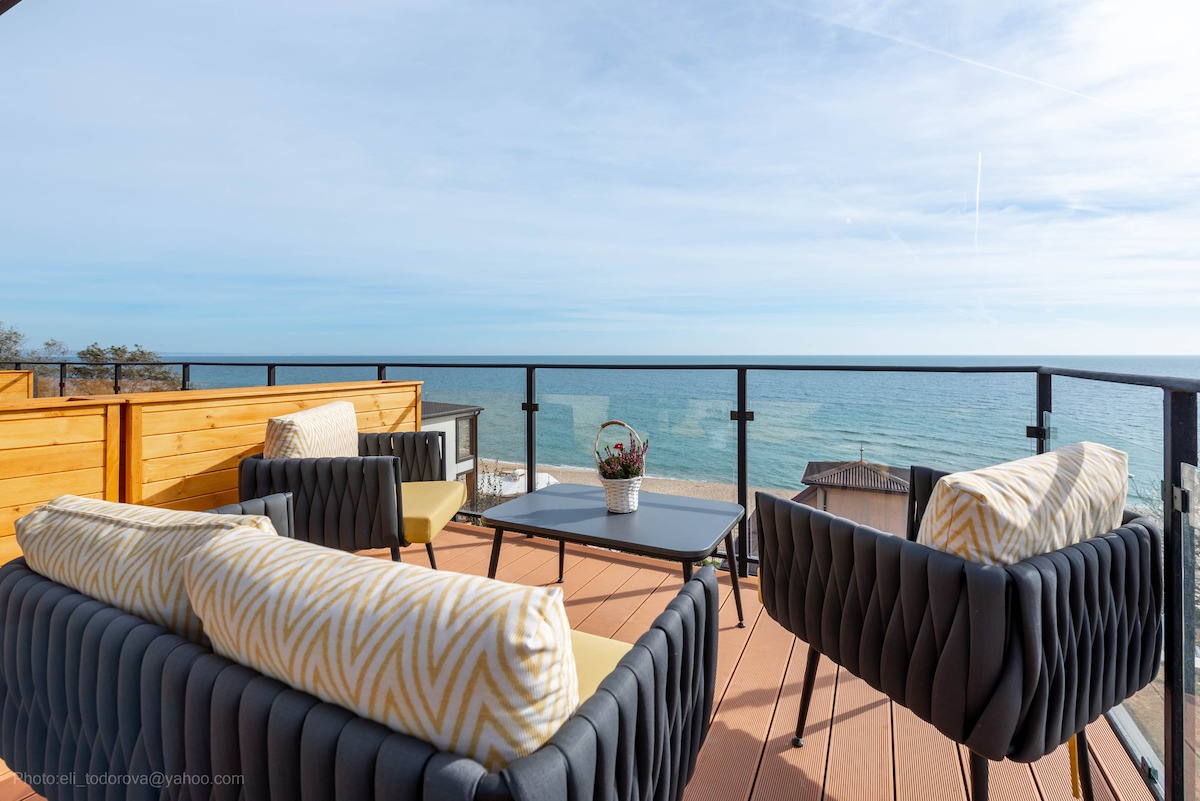
Varna and Burgas continue to attract new residents and strengthen their positions as some of the most preferred places to live and invest in Bulgaria. During the "Black sea business meeting", part of the "Capital Cities" initiative, experts and representatives of local authorities discussed the main trends in the development of the two largest coastal cities and their impact on the real estate market.
According to data presented at the forum, Burgas has increased its population by approximately 7,000 people over the past two years, while Varna has recorded growth of around 6,000 people. The increase is mainly driven by internal migration and growing interest in living in coastal regions.
At the same time, the residential market is entering a more balanced phase. At the beginning of the year, the number of transactions in Varna and Burgas decreased by around 20% compared to previous periods, which experts view as a sign of market normalization rather than a decline in interest in real estate.
Burgas attracts more and more permanent residents
According to the chief architect of Burgas municipality, arch. Tihomir Raychev, the city's positive population growth is mainly generated by people who choose to settle permanently rather than seasonally. The most active group consists of people between the ages of 25 and 49, who often relocate together with their families.
This trend has a direct impact on the development of both the housing market and the urban environment. Burgas is currently working on an update of its General Development Plan, which will determine the directions for the city's future expansion.
Development is expected to focus on two main areas. In the northern parts of the city, including the Madika and Horizont districts, higher-density construction is planned. The southern territories will retain their lower building density, characteristic of single-family houses, holiday homes, and residential developments offering a more peaceful living environment.
Raychev also noted that the municipality has decided to limit construction intensity in the area around Madika and the Heart and Brain Hospital. The goal is to prevent future overloading of the technical infrastructure and ensure the city's sustainable development.
"Location is overtaking price as the primary factor"
Among the most sought-after neighbourhoods remain Center, Slaveykov, Izgrev, and Zornitsa, where well-developed infrastructure and convenient access to services continue to support buyer interest.
Varna remains the more conservative market
In Varna, holiday-home purchases account for between 16% and 20% of the market, while the majority of transactions are related to the purchase of homes for permanent residence.
Experts point out that in recent years the market has been influenced by accelerated demand, driven by the economic environment and expectations surrounding Bulgaria's accession to the Eurozone. This led to some planned purchases being completed earlier than expected and, consequently, to weaker market activity at the beginning of the current year.
According to data presented at the event, newly launched residential construction projects in Burgas increased significantly over the past year, while completed residential floor space reached record levels for the city.
The market remains active but more selective
Despite the lower number of transactions during the first months of the year, Varna and Burgas continue to rank among the most attractive residential markets in the country. Population growth, urban development, and sustained demand for permanent housing provide a solid foundation for future growth.
Experts agree that the market remains active, but buyers are becoming more cautious in their decision-making. Properties with good locations, quality construction, and realistic pricing continue to be the most sought-after in both Varna and Burgas.
The published article is a translation/revision of the original article or material of the relevant quoted media. According to the Copyright Act of the Republic of Bulgaria (art. 9), the copyright on the translation or revised text belongs to the person who did it without prejudice to the rights of the author of the original text. If you wish to use the information in this article, please contact the author to obtain permission.